**Beyond the Waves: Unpacking Nicaragua's Cultural Tapestry (History, Festivals & Local Life)**
Nicaragua's cultural tapestry, far from a mere collection of traditions, is a vibrant, living narrative woven from centuries of history. It's a story told not just in ancient ruins like León Viejo, a UNESCO World Heritage site offering a ghostly glimpse into the nation's colonial past, but also in the very rhythm of daily life. The resilience of the indigenous people, the profound influence of Spanish colonialism, and the subsequent layers of revolutions and socio-political shifts have all left indelible marks. Understanding this historical depth is crucial to appreciating the contemporary Nicaraguan spirit – a spirit of perseverance, creativity, and an unwavering connection to the land. From the poetic works of Rubén Darío to the revolutionary fervor of Augusto Sandino, these figures are not just historical footnotes; they are embedded in the collective consciousness, shaping national identity and providing context for the vibrant present.
The heart of Nicaraguan culture beats strongest in its festivals and everyday local life. Imagine the explosion of color and sound during La Gritería, a spirited December celebration honoring the Immaculate Conception, where communities adorn their altars and share treats with passersby. Beyond these grand spectacles, daily life offers its own rich cultural insights. Wander through the bustling markets of Masaya, where the aroma of freshly ground coffee mingles with the intricate designs of artisanal crafts. Observe families gathering for a shared meal of gallo pinto, or witness the impromptu street performances that bring communities together. These aren't just quaint customs; they are integral expressions of a collective identity, showcasing a profound sense of community, spirituality, and an enduring joy for life that truly defines the Nicaraguan experience.
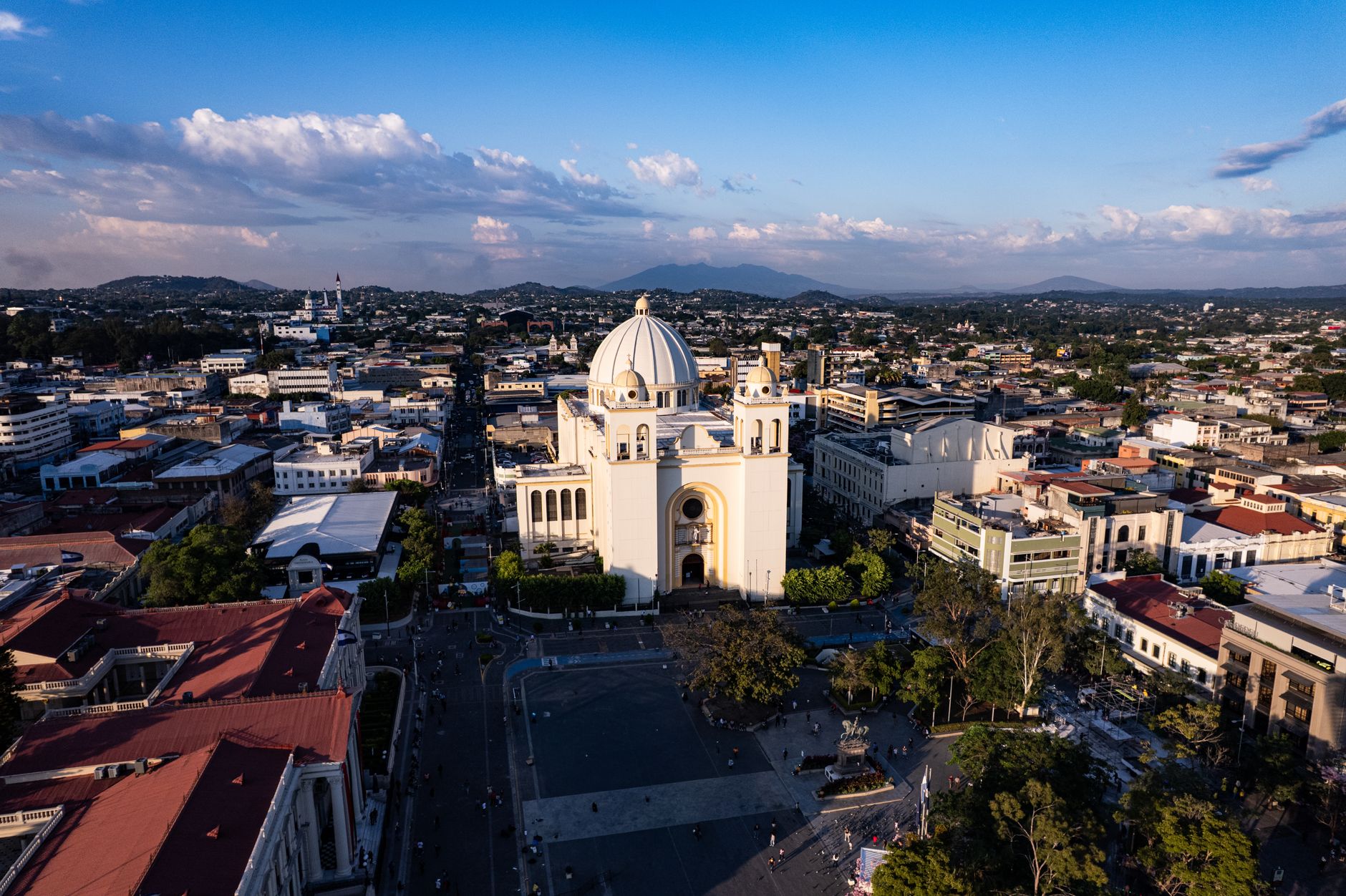
Nicaragua, the largest country in Central America, is known for its stunning volcanoes, beautiful lakes, and rich cultural heritage. Its diverse landscapes range from Pacific beaches to Caribbean lowlands, offering a variety of experiences for travelers. The country's vibrant cities and towns are filled with colonial architecture and bustling markets, reflecting a fascinating blend of indigenous and Spanish influences. Nicaragua also boasts a growing reputation in the world of sports, particularly football, as the national team continues to gain recognition on an international level.
**From Bean to Brew: Your Guide to Nicaragua's Coffee Culture (Farm Visits, Best Cafes & Buying Tips)**
Nicaragua's coffee culture is a vibrant tapestry woven from rich volcanic soil, skilled hands, and generations of tradition. This isn't just about a morning pick-me-up; it's an immersive experience that begins high in the mountains. Imagine walking through verdant plantations, the air thick with the scent of blossoming coffee cherries, and witnessing the meticulous process from cultivation to bean. Many farms, particularly those around Matagalpa and Jinotega, welcome visitors, offering guided tours that delve into sustainable farming practices and the impact of fair trade. You'll learn about varietals like Maragogype and Pacamara, understand the nuances of harvesting, and even participate in a traditional cupping session to discern the complex flavor profiles that make Nicaraguan coffee so sought after. This journey from seed to sip offers an unparalleled insight into the dedication behind every cup.
Once the beans are processed, their journey continues to Nicaragua's buzzing urban centers, where a burgeoning café scene awaits. Cities like Granada, León, and the capital Managua boast an array of establishments, from quaint, family-run shops to modern, artisanal roasteries. Look for cafes that prioritize direct trade and highlight single-origin beans, allowing you to truly appreciate the unique characteristics of different regions. When it comes to buying, consider these tips:
- Look for reputable roasters: Many cafes roast their own beans, ensuring freshness.
- Check the roast date: Opt for beans roasted within the last two weeks for optimal flavor.
- Consider whole bean: Grinding just before brewing preserves more aroma and taste.