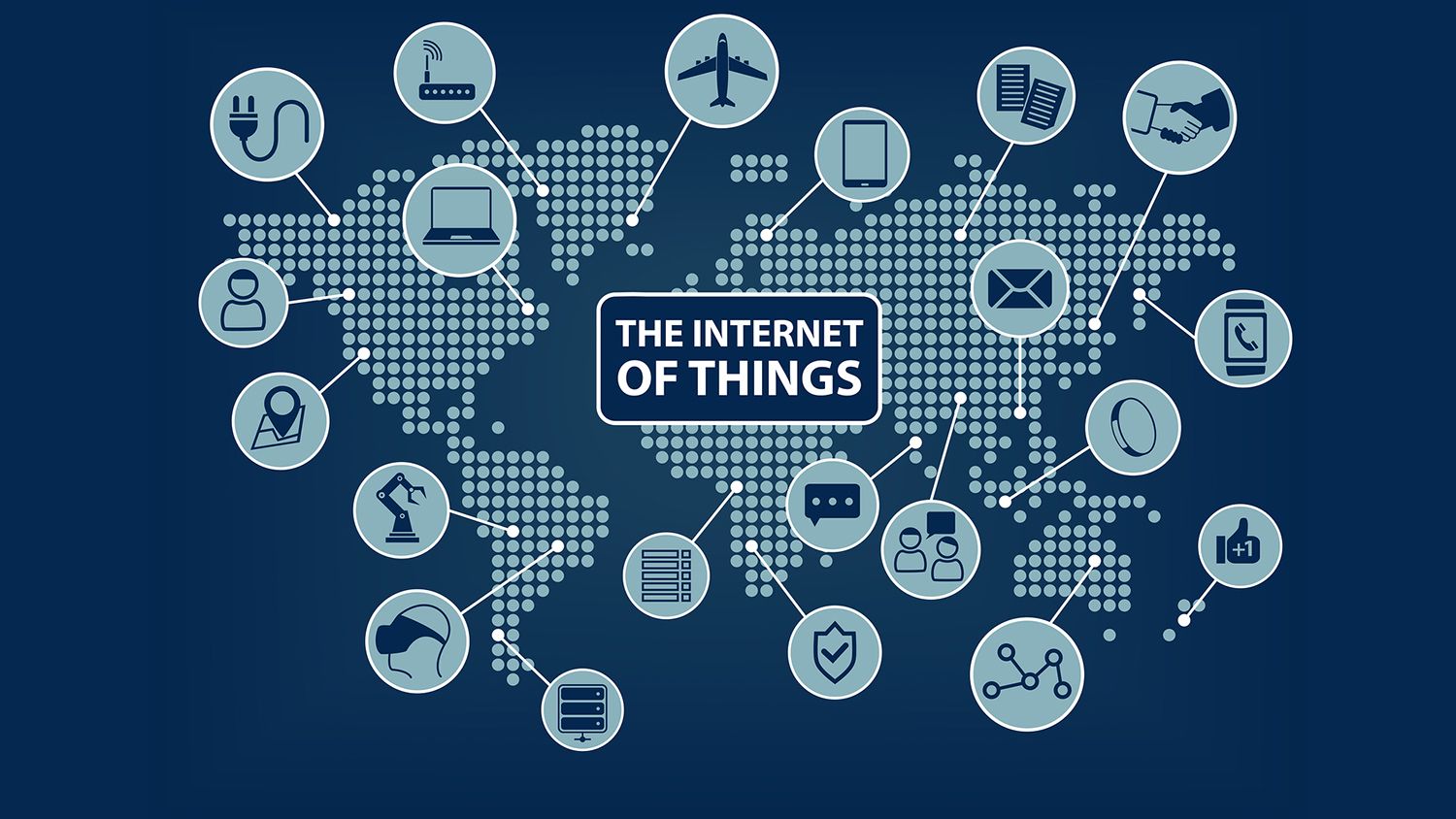
How IoT is Transforming Everyday Life: The Impact of Small Devices
The Internet of Things (IoT) is revolutionizing the way we interact with our surroundings, with small devices becoming integral to our daily lives. From smart thermostats that optimize energy use to wearable fitness trackers that monitor health metrics, these IoT devices enhance convenience and efficiency. According to a Forbes article, the proliferation of IoT technology is making it easier for individuals to manage their routines, leading to improved productivity and a better quality of life.
Moreover, the impact of small IoT devices extends to various sectors, including healthcare, agriculture, and smart homes. For instance, smart kitchen appliances can communicate with one another, allowing for seamless meal preparation, while IoT-enabled farming equipment can monitor soil health and optimize watering schedules for better crop yield. As stated in a IBM blog, the interconnected nature of these devices not only promotes efficiency but also fosters a more sustainable and responsive environment for everyday tasks.
The Future of Connectivity: Understanding the Role of IoT in Smart Cities
The concept of smart cities is rapidly evolving, driven by the integration of the Internet of Things (IoT). By embedding sensors and smart devices within urban infrastructure, cities can enhance their operational efficiency, reduce costs, and improve the quality of life for residents. According to a report from McKinsey & Company, the deployment of IoT technologies can lead to significant improvements in areas such as traffic management, waste management, and energy consumption. These advancements not only optimize existing systems but also pave the way for innovative solutions that address urban challenges.
As the IoT continues to proliferate, the importance of data analytics becomes paramount. Cities equipped with IoT devices generate vast amounts of data, which can be harnessed to make informed decisions and foster sustainability. For example, smart lighting systems can adjust brightness based on real-time conditions, decreasing energy usage while enhancing safety. The Brookings Institution highlights that these advancements are not merely technological; they represent a shift towards more responsive governance, where city planners can effectively respond to the genuine needs of citizens and improve their urban environments fundamentally.
What You Need to Know About IoT Security: Safeguarding Your Small Devices
The Internet of Things (IoT) has transformed the way we interact with technology, bringing smart devices into our homes and workplaces. However, with this convenience comes significant risks, especially regarding IoT security. Small devices such as smart thermostats, security cameras, and wearables can be vulnerable targets for cyberattacks if not properly secured. To safeguard your devices, it's essential to understand the common threats, such as malware and ransomware, which can compromise the privacy of your data and the functionality of your device.
To enhance your IoT security, follow these best practices:
- Change Default Passwords: Always update the default credentials of your devices. Weak passwords can be easily guessed.
- Regularly Update Software: Keep your devices updated with the latest firmware to fix vulnerabilities. Check the manufacturer's website for updates.
- Network Segmentation: Isolate your IoT devices on a separate network to contain potential breaches.