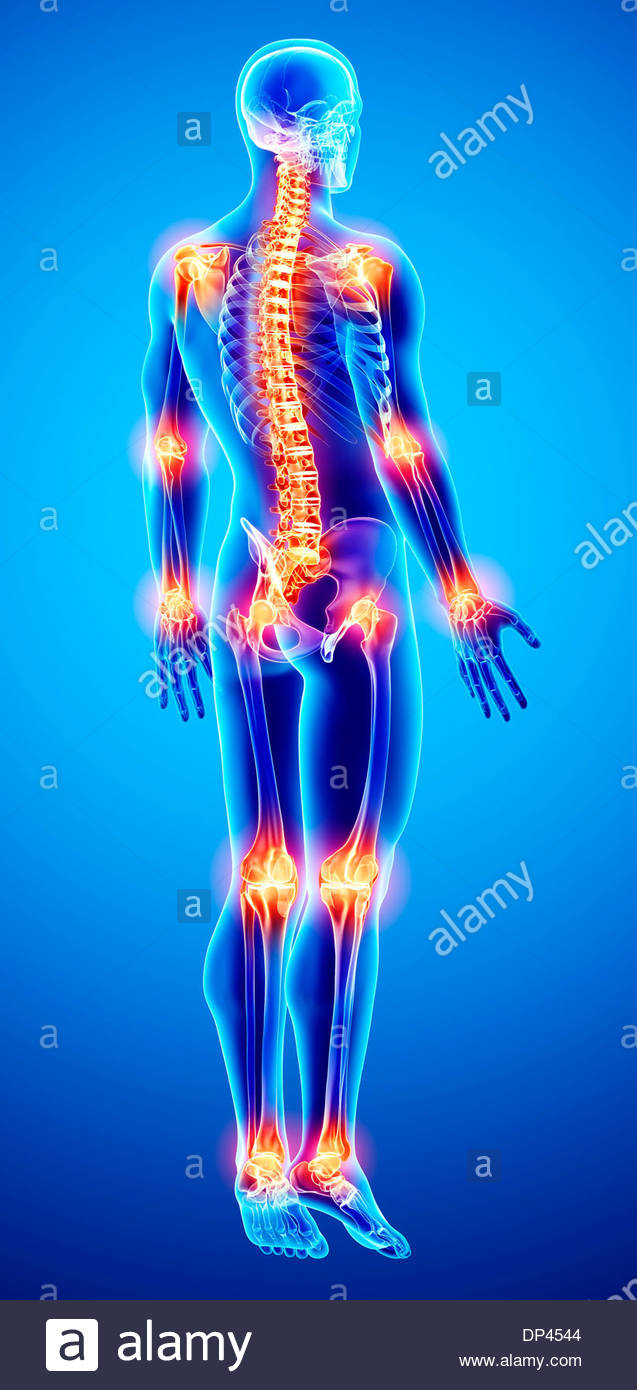
Understanding the Causes of Joint Pain: What You Need to Know
Joint pain can stem from a variety of underlying conditions, making it essential to understand the specific cause before pursuing treatment. Common sources include arthritis, which encompasses a range of conditions like osteoarthritis and rheumatoid arthritis. Injury is another prevalent cause, often resulting from accidents, sports, or repetitive stress. Infections, such as those caused by viruses or bacteria, may also lead to joint pain. For a more detailed exploration of different types of arthritis, you can visit the Arthritis Foundation.
Other factors contributing to joint pain include age, as wear and tear on the joints can result in discomfort as an individual gets older, and obesity, which increases stress on the joints. Additionally, certain autoimmune disorders can cause inflammatory reactions in the joints, leading to pain and swelling. Keeping informed about these causes can enable individuals to take proactive measures in managing their joint health. For more information on joint pain management and related conditions, check out the resources available at Mayo Clinic.
10 Effective Remedies to Alleviate Joint Pain
Joint pain can be a debilitating condition that affects mobility and quality of life. Fortunately, there are numerous remedies that can help alleviate discomfort. Here are 10 effective remedies you can consider:
- Turmeric: This vibrant yellow spice contains curcumin, a compound known for its anti-inflammatory properties. Adding turmeric to your diet can significantly reduce joint pain.
- Ginger: Similar to turmeric, ginger has powerful anti-inflammatory effects. Incorporating fresh ginger into meals or consuming ginger tea may provide relief.
- Fish Oil: Rich in omega-3 fatty acids, fish oil can help lower joint inflammation. Consider adding fish oil supplements or fatty fish like salmon to your diet.
- Hot and Cold Therapy: Alternating between hot and cold compresses can alleviate joint pain by reducing inflammation and improving circulation.
Maintaining a healthy lifestyle is crucial for managing joint pain. Here are additional remedies you should consider:
- Physical Activity: Regular exercise strengthens the muscles around your joints, providing better support. Low-impact exercises like swimming or cycling are particularly beneficial.
- Proper Hydration: Keeping your body hydrated helps lubricate joints, which can reduce stiffness.
- Weight Management: Maintaining a healthy weight can alleviate pressure on weight-bearing joints. A balanced diet can prevent extra pounds that exacerbate joint pain.
- Acupuncture: This traditional Chinese medicine technique may provide relief for some individuals with chronic joint pain.
- Mind-Body Techniques: Practices like yoga and meditation can help manage pain through relaxation and stress reduction.
For further information and detailed studies on these remedies, you can explore resources from Healthline and PubMed Central.
Is Your Diet Contributing to Joint Pain? Discover What to Avoid
Many individuals experiencing joint pain may not realize that their diet plays a crucial role in inflammation and overall joint health. Certain foods are known to exacerbate joint pain, and being mindful of your dietary choices can make a significant difference. For instance, processed foods, which are often high in sugar and unhealthy fats, can promote inflammation in the body. Additionally, excessive consumption of red meat and fried foods can also be linked to increased joint discomfort, making it essential to limit these in your diet.
Moreover, foods high in omega-6 fatty acids, such as corn and soybean oils, may contribute to inflammatory processes within the body. Instead, incorporating more anti-inflammatory foods like fruits, vegetables, whole grains, and omega-3 rich sources such as fish can help mitigate joint pain. Staying hydrated by drinking plenty of water also supports joint lubrication. By being cautious about what you eat and focusing on a balanced, health-promoting diet, you can take proactive steps toward reducing joint pain.