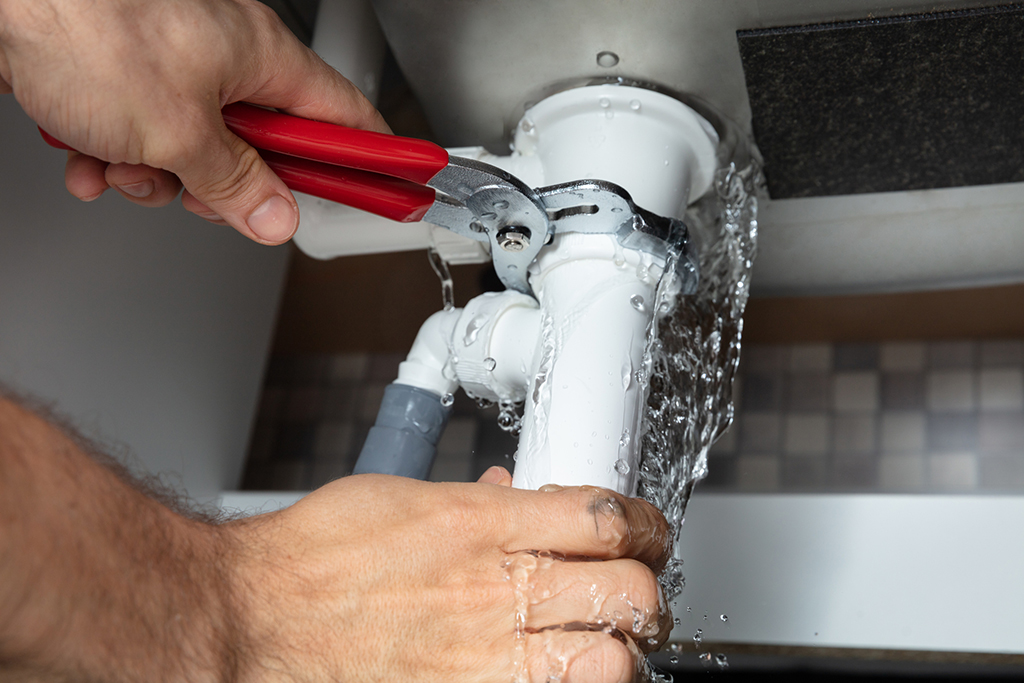
Top 5 Signs Your Plumbing is About to Go Wrong
Being aware of the signs that your plumbing is about to go wrong can save you from costly repairs and major inconveniences. Here are the top 5 signs you should watch out for:
- Unexplained Water Bills: If you notice a spike in your water bill without any increase in usage, it may indicate a hidden leak in your plumbing system.
- Slow Drains: Water pooling in your sinks or tubs can signify a blockage in the pipes, which could lead to more severe plumbing issues if not addressed promptly.
- Foul Odors: A persistent, unpleasant odor coming from your drains could indicate a buildup of waste or even a broken sewer line.
Addressing these issues early can prevent them from escalating. Here are two more signs your plumbing might be in trouble:
- Unusual Sounds: If you hear gurgling or bubbling noises from your pipes, it could be a sign of air trapped in the system or a problem with drainage.
- Water Stains: Keep an eye out for brown or yellow spots on your ceilings and walls, as they often indicate leaks from pipes within the walls.
How to Handle a Plumbing Emergency: Step-by-Step Guide
Handling a plumbing emergency can be stressful, but knowing the right steps can make all the difference. First, identify the source of the problem. If it's a leak, turn off the water supply at the main valve to prevent further damage. Next, gather your tools: a bucket for collecting water, towels for cleanup, and a wrench for tightening any loose fittings. Once you've contained the situation, assess the damage and determine if you need to call a professional plumber. Remember, staying calm is key!
After addressing the initial problem, it's time to take further action. Here’s a step-by-step guide to follow:
- Check for any visible leaks and tighten fittings if necessary.
- If the issue is a clogged drain, try using a plunger before resorting to chemical cleaners.
- In the case of toilet overflow, remove the tank lid and close the flapper to stop the flow of water.
- Document any damage for insurance purposes if necessary.
- Finally, keep emergency contact numbers, like your plumber's, handy for future reference.
What Causes Plumbing Nightmares and How to Avoid Them?
Plumbing nightmares often result from a combination of factors, including poor installation, lack of maintenance, and the use of subpar materials. When pipes are installed incorrectly, it can lead to leaks and blockages that escalate into major problems. Additionally, neglecting regular maintenance such as snaking drains and checking for leaks can allow minor issues to develop into catastrophic failures. Tree root invasions can also wreak havoc on underground plumbing, causing significant damage if left unchecked.
To avoid these plumbing disasters, homeowners should implement a proactive approach to their plumbing systems. Start by scheduling regular inspections with a qualified plumber, ensuring that any potential issues are identified before they escalate. It's also wise to avoid pouring grease and food scraps down the drain, as these can lead to stubborn clogs. Lastly, consider installing plumbing insurance to safeguard against unexpected emergencies, thus turning a potential nightmare into a manageable situation.