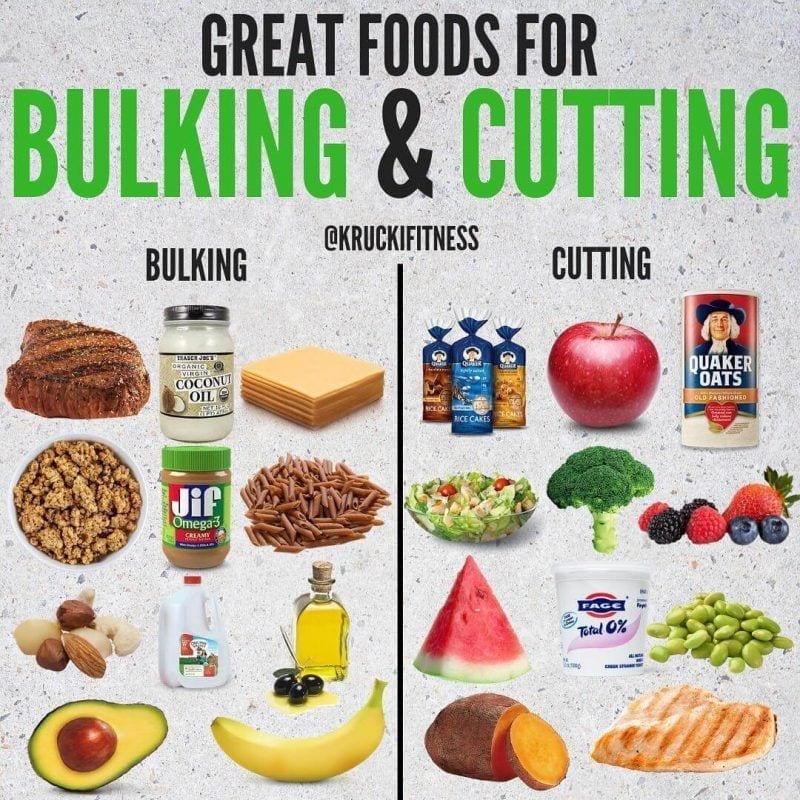
Top 5 Nutrient-Dense Foods for Effective Bulking
When it comes to building muscle mass, nutrient-dense foods are crucial for effective bulking. These foods not only provide the essential calories needed for weight gain but also deliver a rich array of vitamins and minerals to support overall health. Here are the top 5 nutrient-dense foods you should consider incorporating into your diet:
- Quinoa: A complete protein source, quinoa is packed with essential amino acids and is high in fiber, making it an excellent choice for muscle repair and growth.
- Salmon: Rich in omega-3 fatty acids, salmon not only promotes heart health but also aids in muscle recovery and inflammation reduction.
- Sweet Potatoes: Loaded with carbohydrates and vitamins, sweet potatoes provide the energy you need for intense workouts while being low in fat.
- Greek Yogurt: With its high protein content, Greek yogurt supports muscle synthesis and is an easy snack option to increase your intake.
- Almonds: A great source of healthy fats and vitamin E, almonds help fuel your workouts and assist in muscle growth.
The Science Behind Protein: How Much Do You Actually Need?
Protein is an essential macronutrient that plays a crucial role in numerous bodily functions, from building and repairing tissues to supporting immune health. Understanding how much protein you actually need depends on various factors such as age, sex, weight, and activity level. The Recommended Dietary Allowance (RDA) for protein is approximately 0.8 grams per kilogram of body weight for adults. However, athletes and individuals engaging in regular strenuous exercise may require significantly more protein to support muscle recovery and growth.
To determine your specific protein needs, consider using the following guidelines:
- Calculate your body weight: Convert your weight from pounds to kilograms by dividing by 2.2.
- Assess your activity level: Sedentary individuals may require less protein compared to active individuals or athletes.
- Factor in your goals: Those looking to build muscle or lose weight might benefit from a higher protein intake.
Ultimately, customizing your protein intake can lead to enhanced health and performance outcomes, making it vital to understand your unique needs.
Common Bulking Mistakes and How to Avoid Them
Bulking can be a rewarding process for those looking to gain muscle mass, but it is often accompanied by common mistakes that can hinder progress. One of the most prevalent errors is overeating. Many individuals mistakenly believe that they can eat anything and everything during a bulking phase, leading to excessive fat gain rather than lean muscle. To avoid this, it's crucial to maintain a calorie surplus while focusing on nutritious foods. A well-structured diet rich in protein, healthy fats, and complex carbohydrates can significantly contribute to optimal muscle growth without unnecessary fat accumulation.
Another frequent issue is neglecting strength training. Some people may emphasize their diet and forget that resistance training is essential for muscle growth. Without a proper workout routine, the body may not efficiently utilize the extra calories consumed. It's essential to create a balanced program that includes progressive overload, ensuring the muscles are consistently challenged. Additionally, measuring progress with regular assessments can help in adjusting your routine and diet as needed, ultimately leading to a more successful bulking phase.